How Exercise Can Change Your Brain

Create Long Lasting and Protective Benefits for Your Brain

February, 18

by Lucas (@Cycling4MentalHealth)

Introduction

Before I begin, let me introduce myself. My name is Lucas, I’m a cycling dad who is passionate about helping and encouraging people on their mental health journey. I do this by sharing my own honest life stories, as well as giving you tips and tools to help you on your journey to freedom. I live in Manchester UK, where I have been based for the last 15 years.
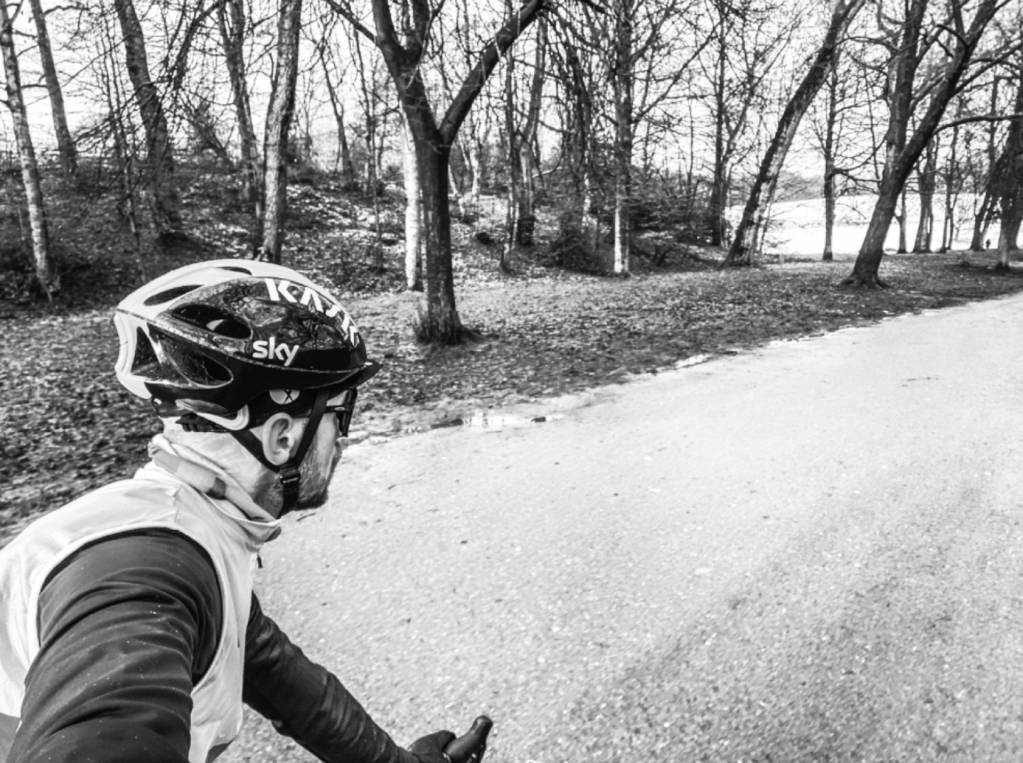
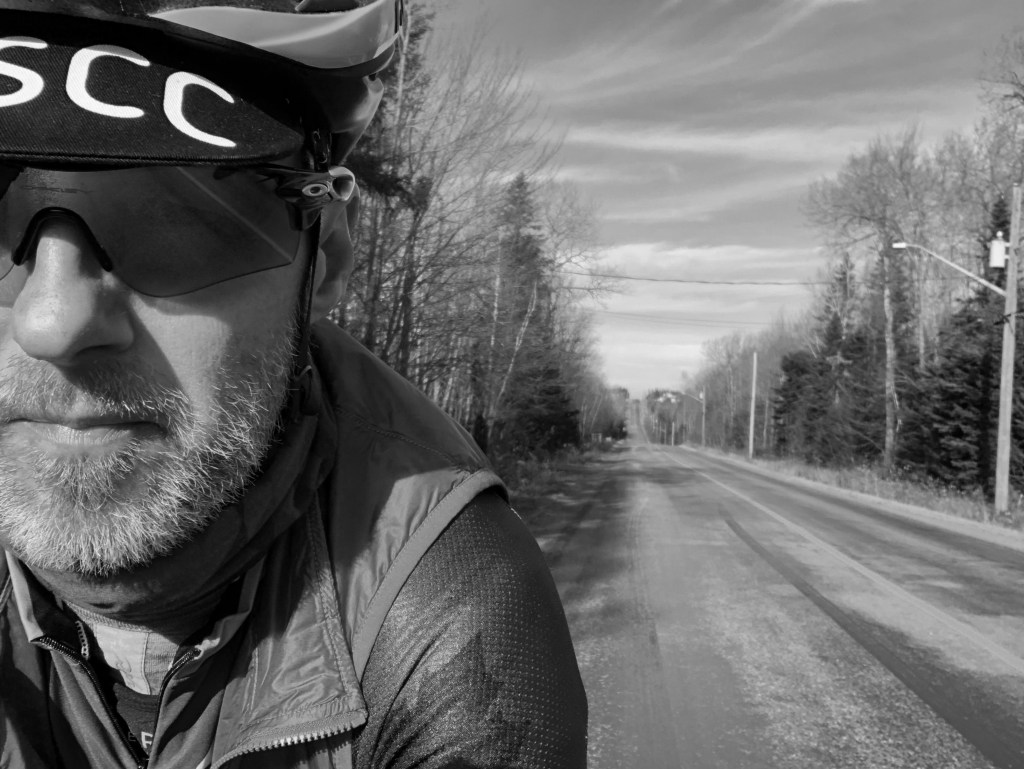
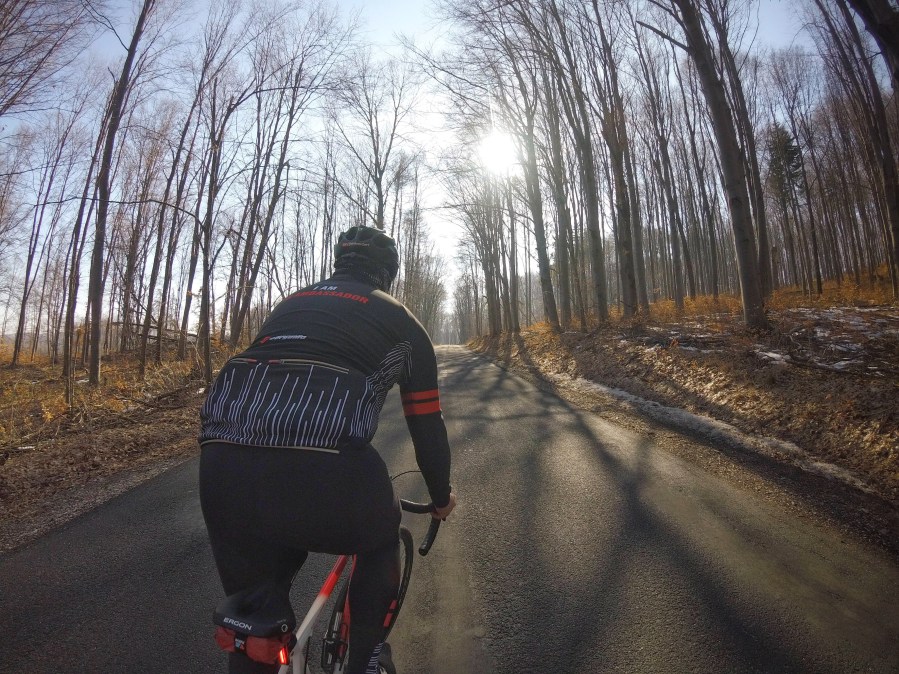
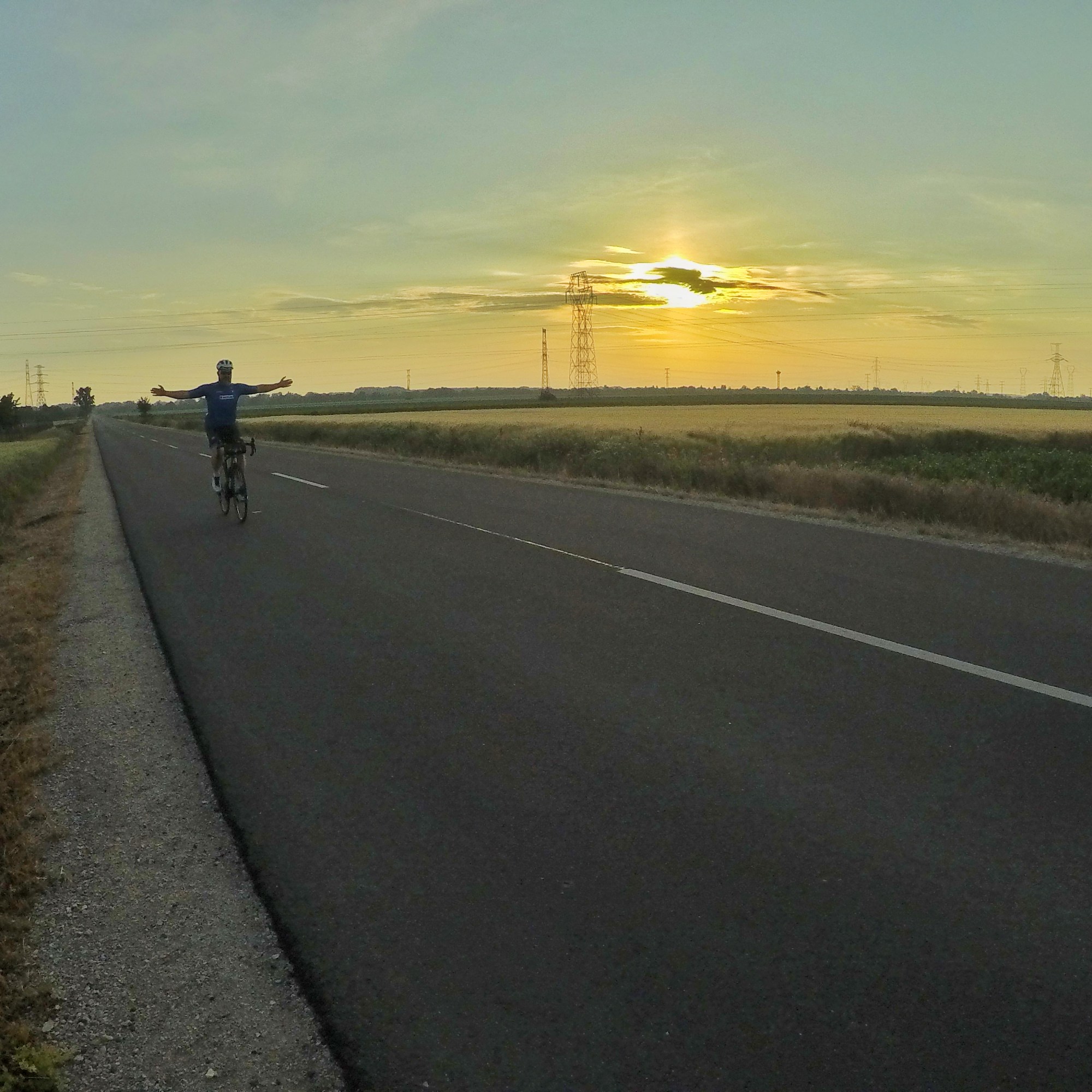
Enjoying very rare moment: cycling outside in winter
My background

I noticed that I was struggling with my mental health after my first child was born. I was fortunate enough to have a friend who has noticed something was wrong, and during a man-to-man chat, he convinced me to seek professional help. Fast forward a few years and I decided to use my “weakness” to help people who may have not benefitted from a helping hand, guiding them on their journey.

I decided to use my “weakness” to help people on their journey with Mental Health.

The idea of @Cycling4MentalHealth was born, with a mission to take down the stigma of mental health and I began to research ways to improve both my physical AND mental health.
So, according to research, by simply moving your body, you can create long lasting and protective benefits for your brain that last a lifetime. The 2 main parts in your brain are: the Prefrontal Cortex responsible for decision making, focus and your personality, and the Temporal Lobe, and inside that you have your Hippocampus critical for building and retaining long term memories.

After climbing few hills in UK’s Peak District had to stop for a quick shot.
2 Main Reasons:

1) A workout will instantly increase levels of serotonin, dopamine that is going to increase your mood right away. It is proven that even a single workout can shift your mood and focus attention by up to 2h. By exercising we produce new brain cells in the hippocampus area, that actually increase its volume. With bigger volume, the hippocampus area will hold your mood for much longer. To make it last a life time we have to change the exercise regime, increase our cardio respiratory function and carry on doing it. How much do I need to exercise I hear you ask, 3 – 4 times a week for at least 30min.

2) Regularly exercising will create protective effects on your brain. And just like a muscle, the more you workout, the bigger and stronger you become. This won’t stop diseases such as depression and anxiety trying to sneak in, but it will make it more difficult for them to enter.

Find more from Lucas
on YouTube, on Instagram
and follow him on Zwift by searching L Lucas(Cycling4MentalHealth)

All photos by Lucas (@Cycling4MentalHealth)
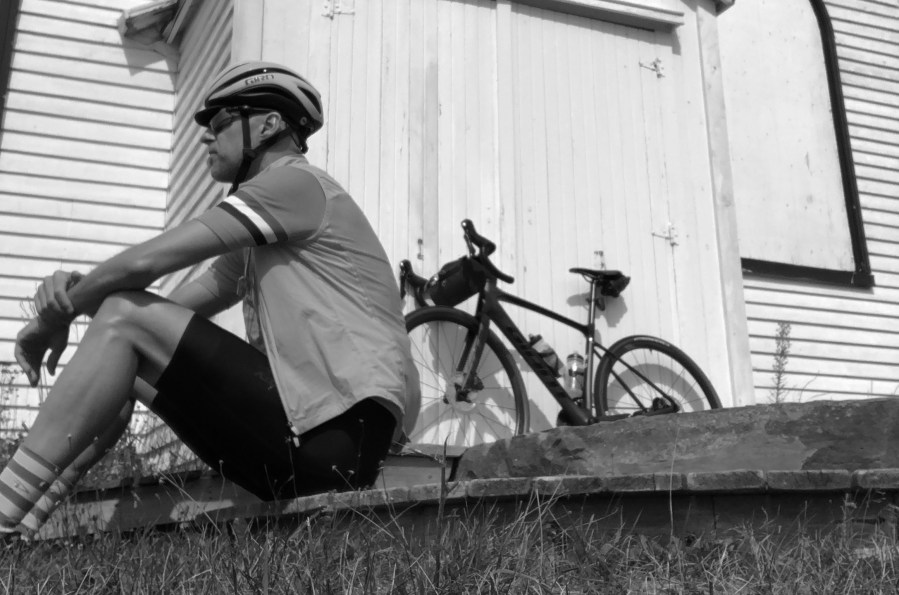
After The Container Got Smashed There Was No Going Back.

Taming Our Addictions.

November, 27th

by Mike LeBlanc (@velo_mike)

The cravings just seem to creep up on me. An insatiable deep hunger. All I can think of is my next dopamine hit. This addiction. My survival mechanism.

Bikes have always been a huge deal for me for as long as I can remember. From playing with my Evel Knievel action figure and toy bike to going on rides with my dad as a young boy, there’s just something magical about the mechanical physics of balancing a man-made machine on two wheels at speed. Pure freedom. Growing up, me and my friends literally lived on our bikes. Jumping curbs and sidewalks. Building ramps. Endlessly exploring. Riding into the sunset night after night. I had a great childhood, good friends and a loving family. But I also experienced certain consequential losses along the way. Traumas that I didn’t have the tools to properly deal with at the time.

Living in this traumatized world. A world that doesn’t foster grieving and emotional healing. An overly busy world, consumed with consumerism and the next big thing. A world that doesn’t have time for what it sees as all this emotional trauma bullshit. Living in such a world, all I knew how to do was what it taught me. Stuff it all in. Stiffen my upper lip. Suck it up. Put up a stoic front. Repress. Riding and racing bikes gave me the perfect environment to practice suppressing my emotional pain. I was even validated and idolized for it. The better I became at muffling and enduring pain on the bike, the more people paid attention to me. I felt validated, like I was winning the battle. Endurance sports are great like that. Our bodies are constantly rating our pain. Physical pain always rates higher than underlying emotional pain. For this reason, “hurting our self” on a bike seems to alleviate the emotional pain beneath it by changing our focus. The problem is that it’s only a Band-Aid, a temporary release mechanism. It doesn’t fix the problem at the source. It hushes the flames, but it never extinguishes the fire.

For me personally, everything literally came crashing down in July of 2016 during a local Tuesday night mountain bike race. On the last lap, my tired hand slipped off the bar on a rooty downhill. There was no way to save it. I tried to roll as I hit the ground. My helmet took the brunt of the impact. Hitting my head that day was the beginning of hitting my rock bottom. Concussed, I couldn’t ride anymore. Hell, I couldn’t really do anything anymore. Every single thing took so much energy and effort. I lived in a constant fog. The only time that I felt somewhat normal was when I was asleep. Depressed and constantly anxious, I was a mess. My broken brain made me feel like I was no longer part of this living dimension. Alone in this darkness. The bike racer pedestal that I once proudly stood on had crumbled and I no longer had a place to stand. Emotionally, my concussion felt like the spillage of my entire life baggage. The sealed container holding all of my past trauma violently smashed open by the impact of my fall, all of its contents scattered in a huge mess. I could no longer deny it like I had done for so long. Everything was all there before, neatly organized to ensure my survival. Now it was all exposed, disorganized and raw. The task of putting everything back in the container like it was before just wasn’t possible. There was no going back. All I could do was get really honest with myself. Completely overwhelmed. I didn’t know how and where to begin.

I started seeing a new psychologist. I did yoga. I meditated. I read books that spoke to my soul. And I slowly started riding again. My first rides were very slow and short. And still aggravated my symptoms. I was but a tiny speck of my former self. Completely deflated, the light at the end of the long tunnel was very dim. Then, every once in a while, I started having better days. Days when I was able to ride a little longer. I was also finally revisiting the traumatic events of my past in psychotherapy, slowly allowing myself to feel what I couldn’t feel at the time. I cried a whole lot. And the more that I got better at feeling, the more that I started feeling better. No shortcuts. Time doesn’t heal all wounds. This stuff doesn’t just go away by itself. To get to the other side, I had to do the work. Over 4 years later, I am feeling much better. I still get that drunk, dizzy, disconnected feeling every once in a while but now I try to honour it, as a reminder of what I’ve been through and how far I’ve come. I’m still seeing a psychologist. I’m still healing. Emotionally, I feel better than since I can remember. And that is what motivates me to continue to sit with my discomfort instead of run away from it. The process is and will always be ongoing. It’s my life’s work. The real work that makes me whole.

We’re all traumatized. Damaged in some way. It’s simply a side effect of living. For me, as my traumas accumulated, they began to angrily drive me. Infiltrating my every thought and action. Lodging themselves into every single one of my cells. Deep down, unconsciously, I hated myself because of what had happened to me. As if I should have been able to prevent it. This traumatized society. A society that prizes pushing beyond our limits, idolizes strength and speed while viewing rest, showing emotion and grief as weakness. Young and impressionable, that’s what I had learned. Hard wired for survival, my addictions are simply the best solutions that my mind could come up with at the time in order to keep me alive. Without them, I wouldn’t have made it. Some levitate towards drugs, work, sex or shopping in an attempt to fill their void. I ride bikes. Why didn’t I end up in the same situation as the drug addicted homeless beggar? I simply either suffered less trauma or I had more help and support dealing with and healing from my trauma. In other words, I just got lucky. In this sense, our addictions are actually purposeful. Even if they are mostly never sustainable.

I‘m still madly in love with the bike even if this fondness has been evolving in a different direction lately. Riding is still my lifeline, my salvation. But now, it’s on my own terms. At my own pace. Mostly alone. No expectations or agenda. Simply exploring this world that we are one with. An undying solitude seeker at heart. My racing days are over. I’m not saying bike racing is all bad. It definitely has its place in cycling and it did serve its purpose, even if I no longer see it as the best thing about our sport. For me personally, I can’t seem to race “just for fun”. The competitive aspect seems to strip too much from my experience. In its purest form, riding a bicycle is a very personal experience. We get out of it what we put into it. For me, riding makes me a better husband. It makes me a better father. It makes me a better friend. It makes me a better human.

Our addictions, our teachers. Showing us what needs attention and healing. Maybe we never completely heal from our addictions? Maybe all we can do is stop hurting ourselves by taming them?

All photos by Mike LeBlanc (@velo_mike)

Mike – An undying Solitude Seeker at heart.

My experiences from the dark side

The sun always shines somewhere.

November, 8th

by Norbert Elek ( @norbi )

When the darker days arrive, it is often difficult.
I get up in the morning, everything is in the fog, sometimes it rains.
The whole gloomy, dark mood descends on my mind, and it too gets dark.
I’m falling back.

But a small corner of my brain is already whispering, “go on the road, go on the road.” This repeats the mantra to me.
And I know it will be right: many times the city swims in fog, but I know the sun is shining up there.
I take advantage of today’s technology, quickly looking at images of higher webcams from the mountains.
And I can already see what the mantra contained: the sun is really shining up there, you have to go on the road!

I’m leaving.
It’s a fight day in and day out, somehow mapping out the characteristics of life for me.
And I know I’m braver than the elements.
It solidifies my faith, even if I sometimes sway.
As I make my way up the hill, I can already see where the border of the fog blanket is.
Light.

I got up, I still struggled with my weakness, I sucked in the energy, and happiness pervades my body and soul.
I know back, I’ll get into the realm of darkness again, but already with the experience of doing it, and I know where the way out of the darkness is.
Sometimes it’s hard, but we have to fight, we can only win at the cost of a fight.
As it is stated in one of my favorite films, “Fight up, you have to win here!

Fighters. I’m with you.
Always ahead.

Covid Travel restrictions or how we rediscovered France

A travel range of a Solitude Seeker and her husband.

September, 21st

by Valérie (@valsfactory)

We are travelers. We are wanderers.
As long as we have been together, we never went on holiday in our beautiful France.
Prices too high? Too many tourists? Depending on the season, bad weather? Maybe all of that.

This year, as for many of us, travelling, going on holiday has been more complicated than ever. Covid-19 has made it difficult to plan anything.

After a lot of consideration, the decision has been made. Why not put our bikes in the car, and start exploring France

Suitcases were packed, car was ready. Now what? Where do we start?

First stop: Auvergne
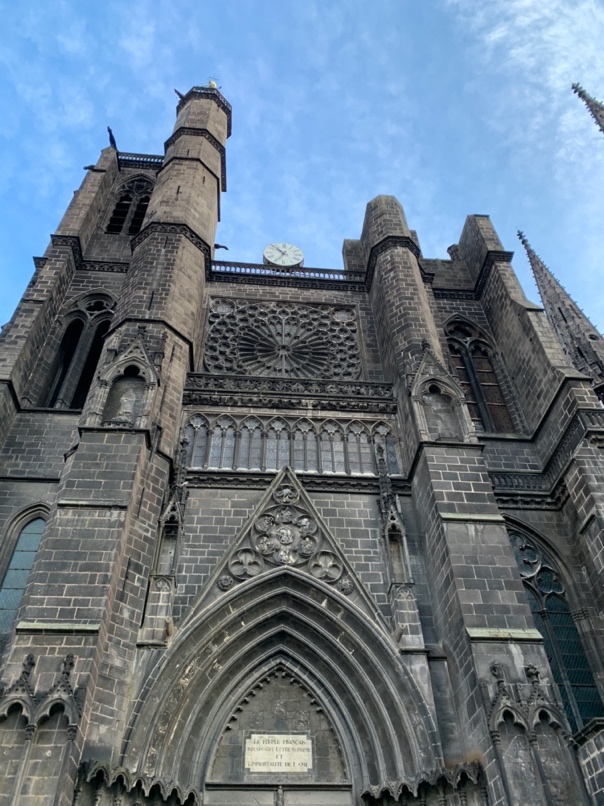
The hotel was booked while we were on the road. Let’s go for 2 nights in Clermont Ferrand.
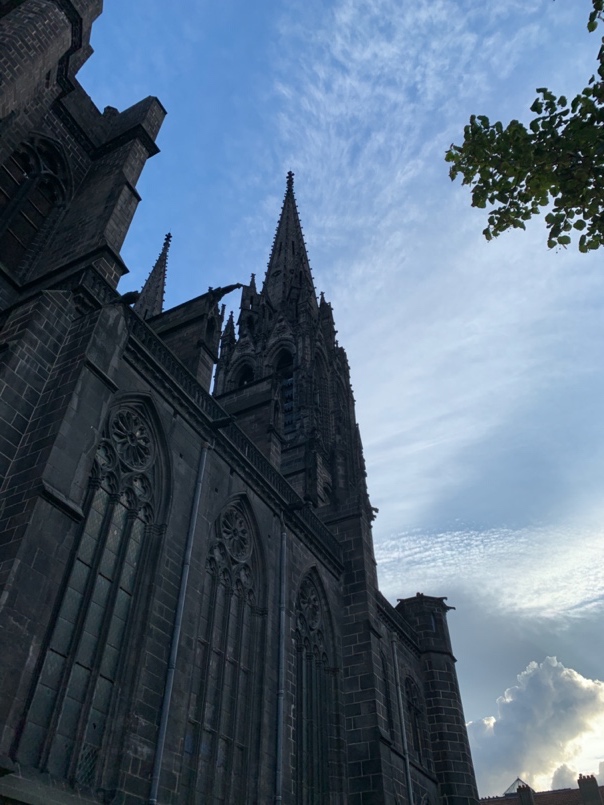
To be honest the city has nothing special. Everything is built in those dark volcano stones, so it can easily be oppressive. But it has its charm.

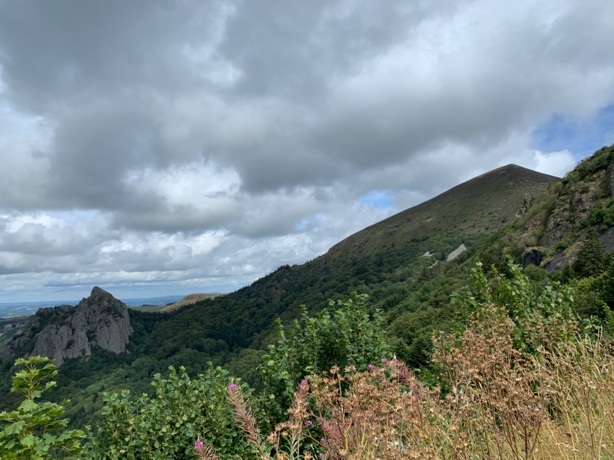
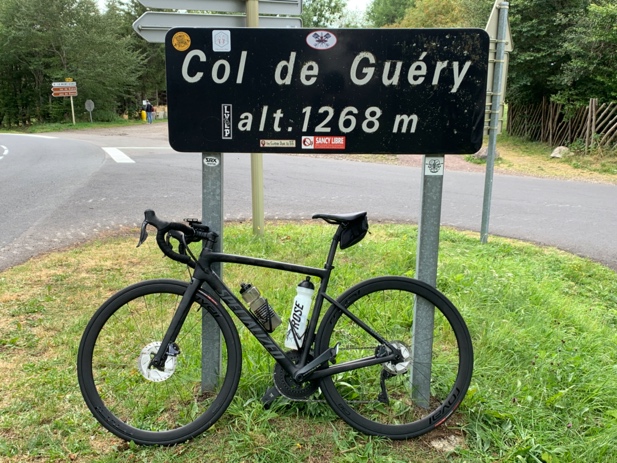
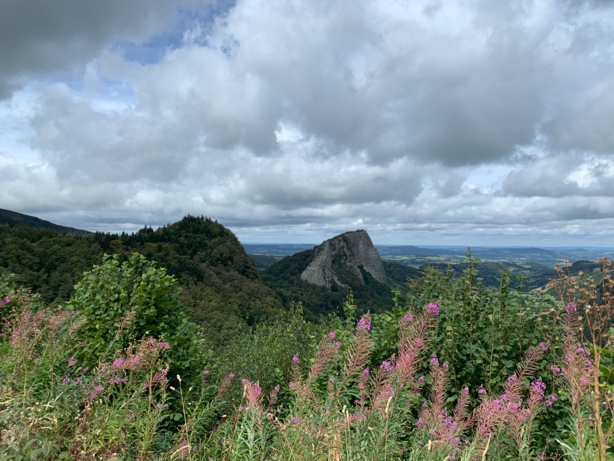
The real interest in the area is the Volcanos National Park with the Puy-de-Dôme. That’s where our first ride took us.

Where next?
As we did not find anywhere to sleep in the next national park, we went straight south in the Pyrenees.
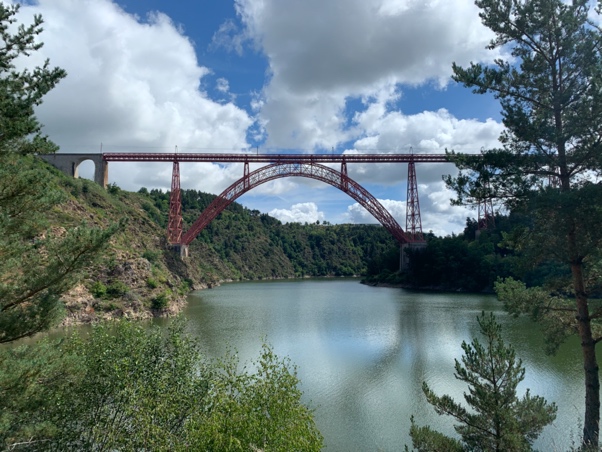
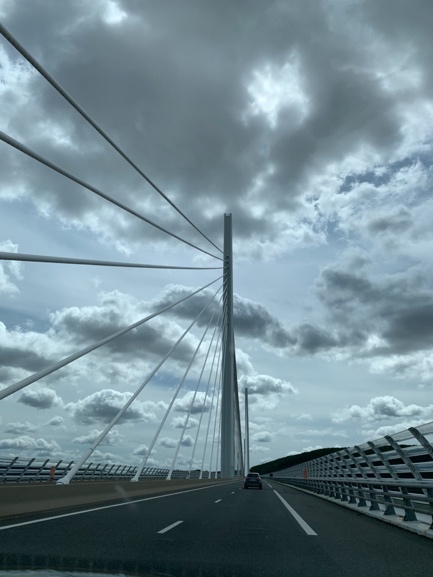
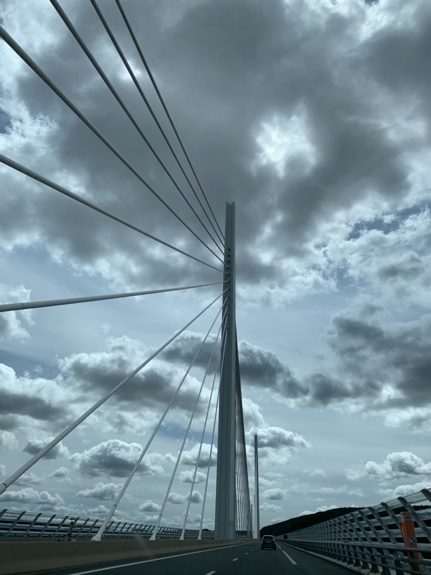
But not before making a small detour to see the famous Viaduc de Millau.

Next Stop: Lourdes
Pilgrimage city in the heart of the Pyrenees. Definitely a touristic city. Perfectly situated for our next rides.

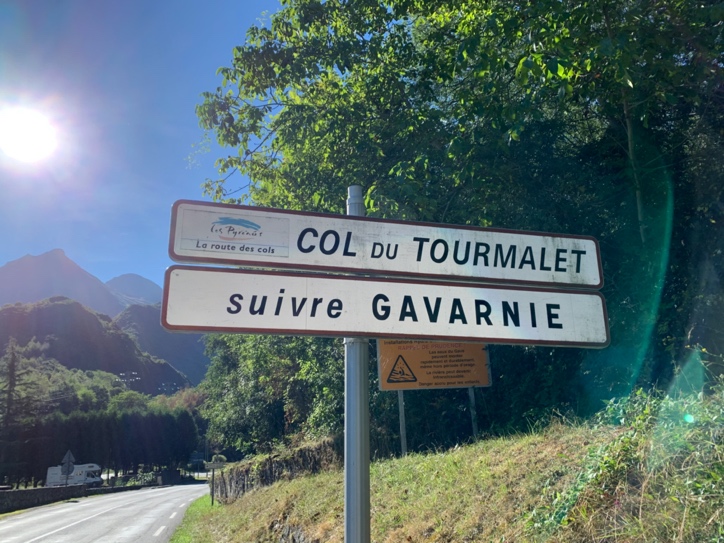
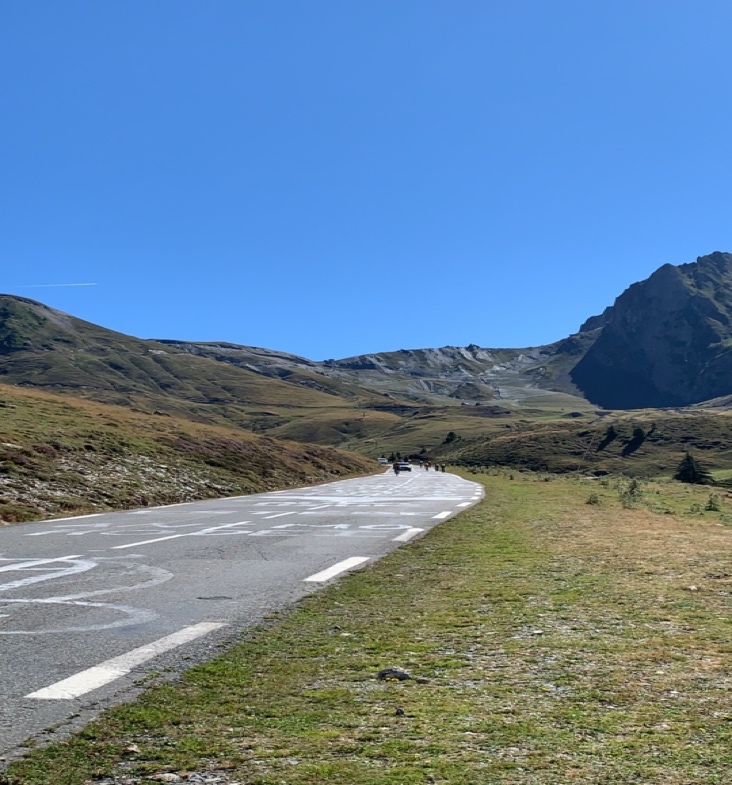
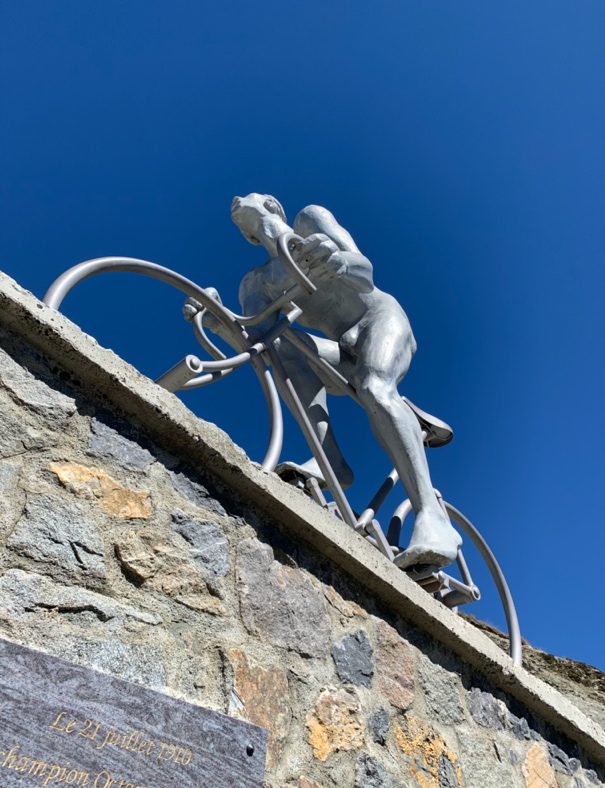
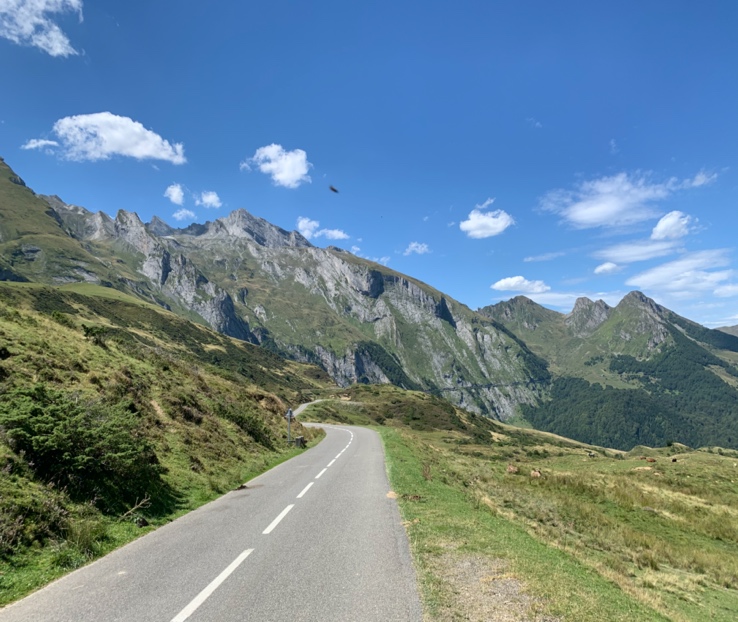
Col du Tourmalet

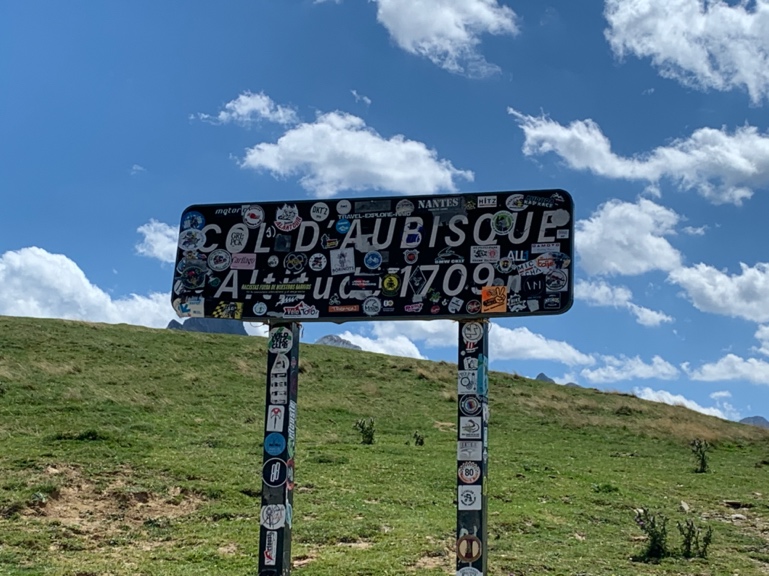
Col du Soulor and col d’Aubisque

And Hautacam to finish here.

Spanish Basque country was now awaiting us. Unfortunately the weather did not play along so, change of plan.

Back to France, where a long day in the car led us to the Provence in Avignon.

Of course we had a specific ride in mind…

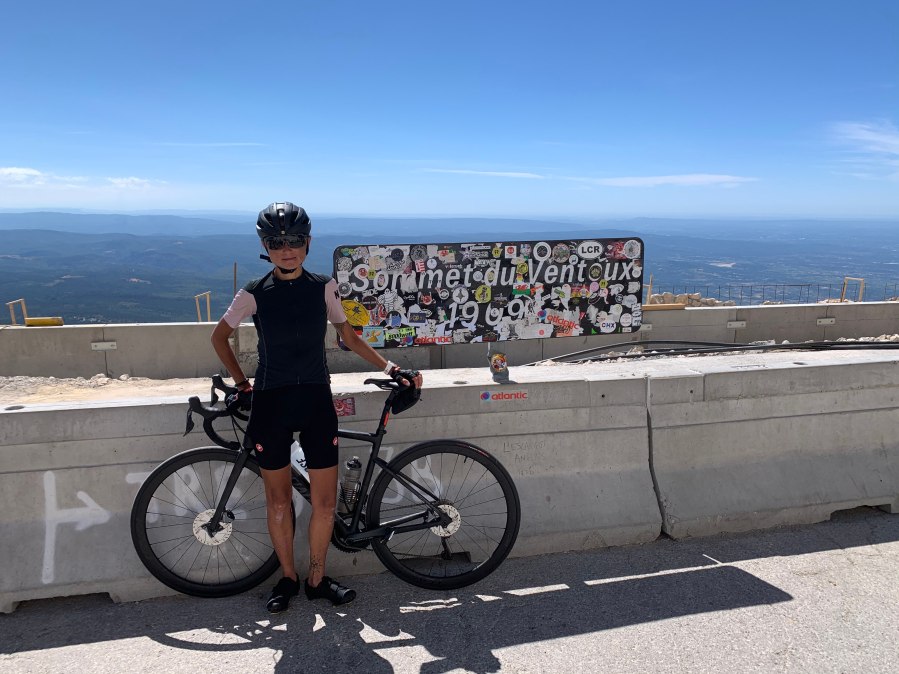
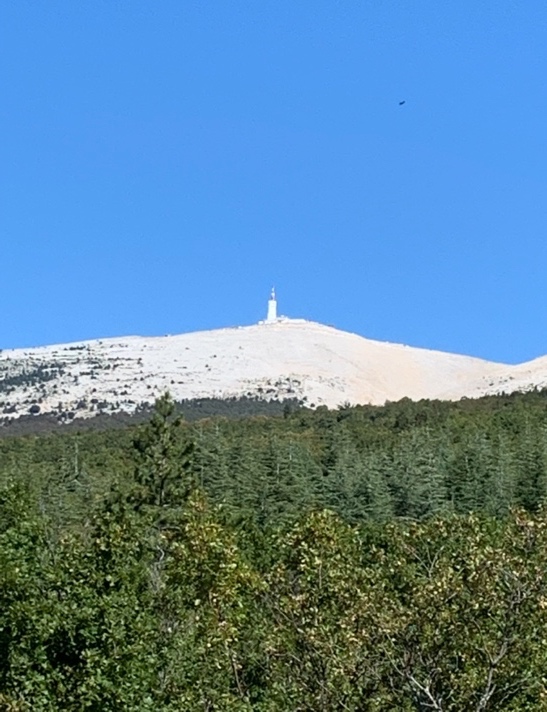
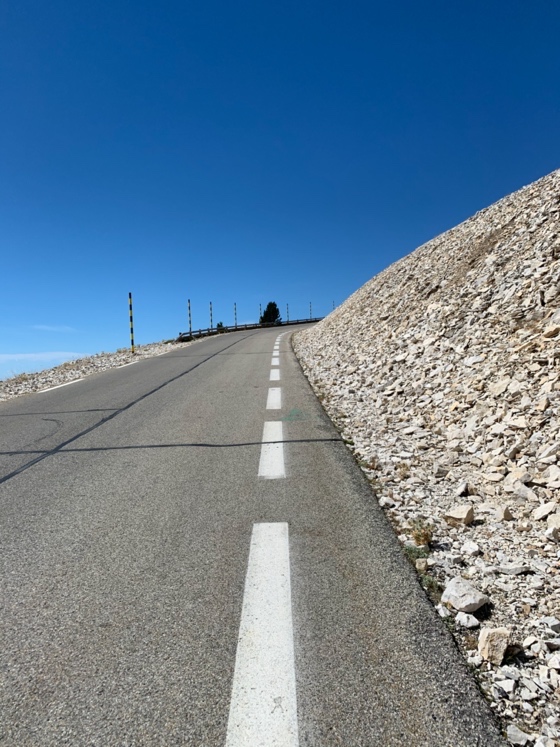
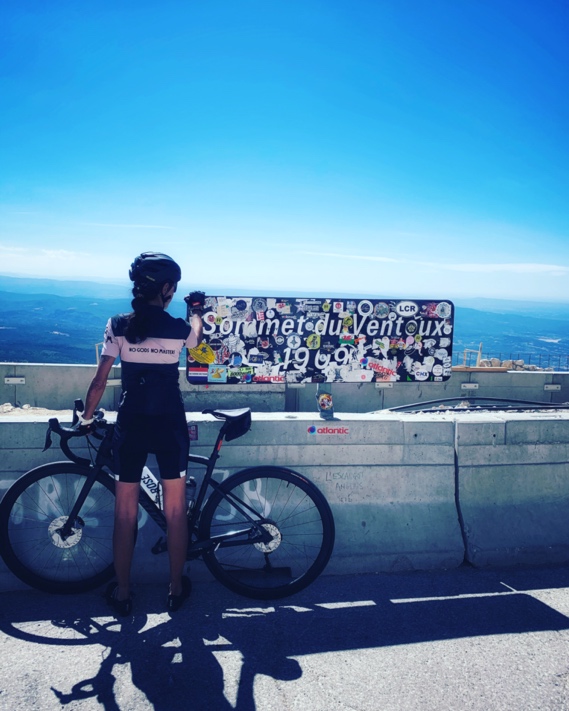
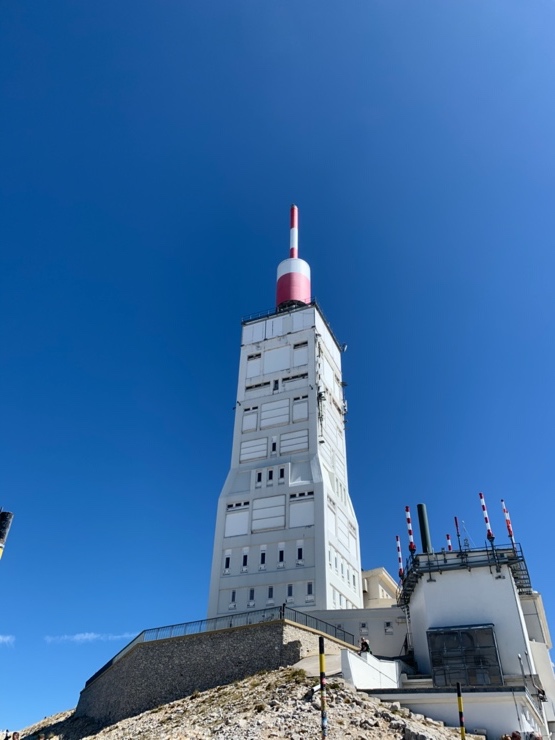
The Mont Ventoux…
This was the one that scared me most. But even the Mistral was blowing, it was one of the most beautiful climbs we did.

More than a week had passed, but we wanted ( more I ) to do one last stop before heading home.
Some personal challenges were waiting for me in a region where I spent most of my childhood. I wanted to climb the mountains I hiked as child, teenager and young adult.

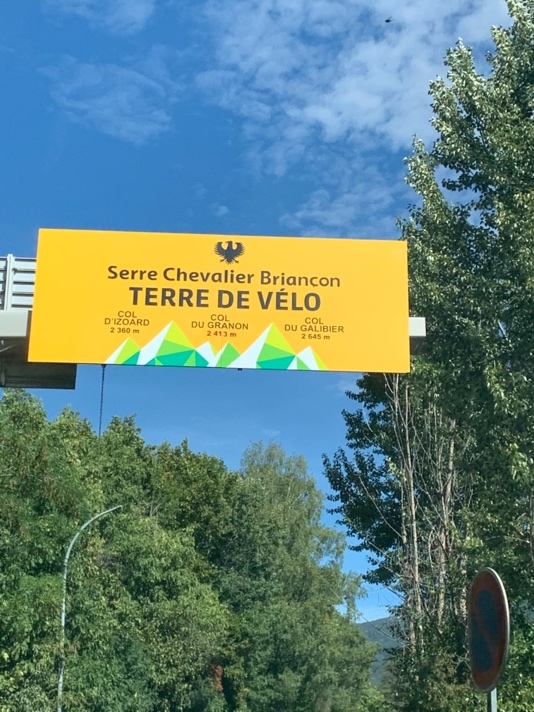
Last stop: Hautes Alpes, Briancon

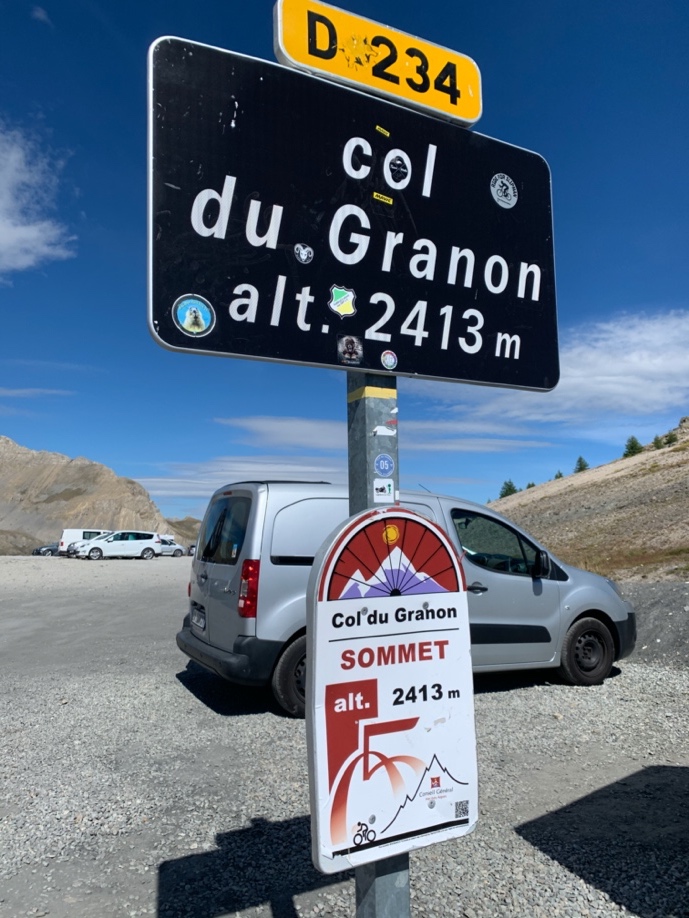
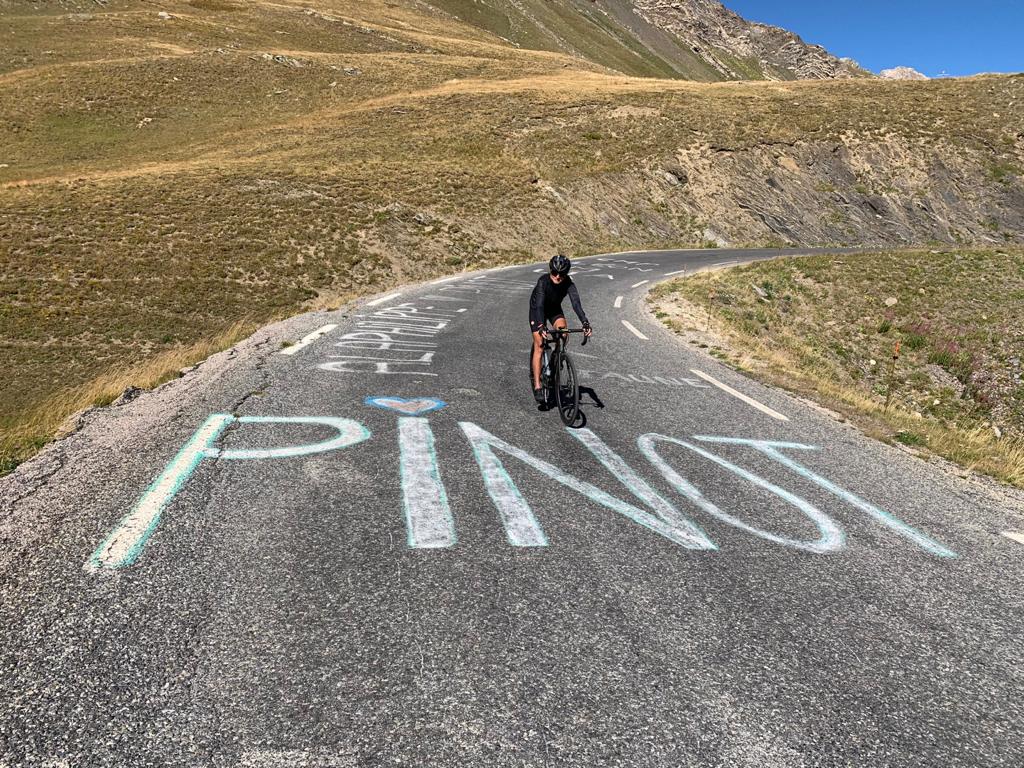
First climb right after our arrival: col du Granon
Just so our legs would know what they would be up to the next days…

Plan of the day:
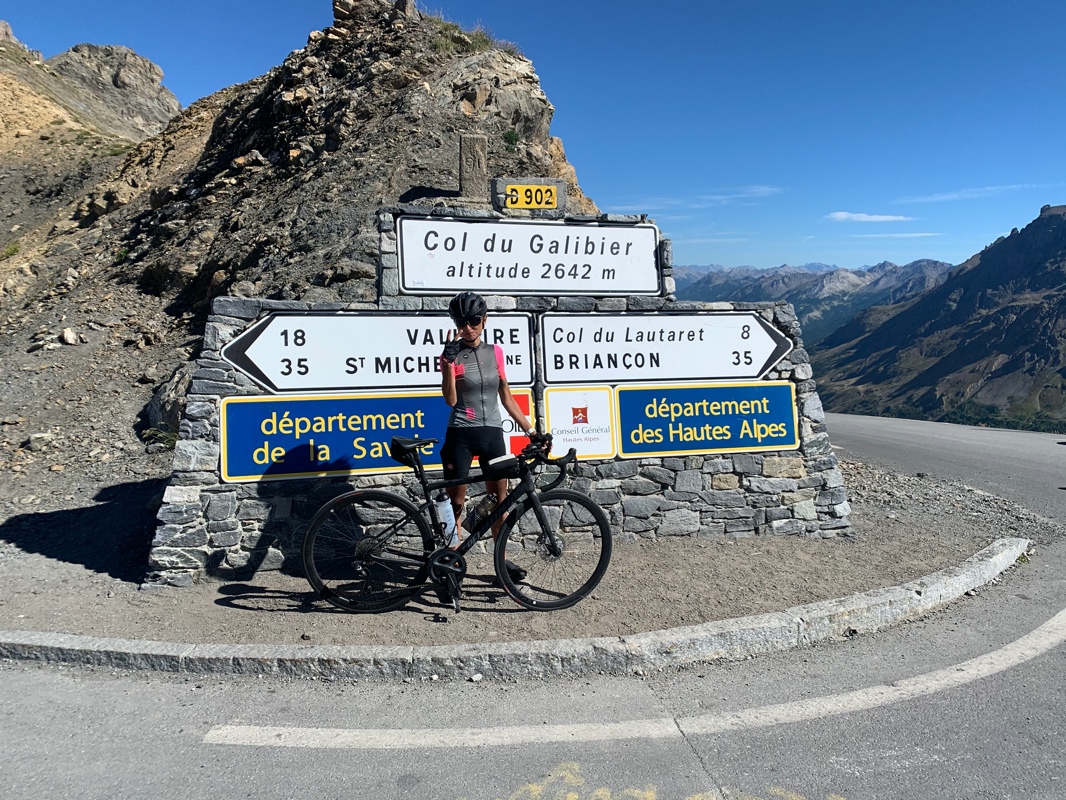
Col du Lautaret – Col du Galibier – Valloire – and back.

Side number 1

And side number 2 (Yes, I am proud)

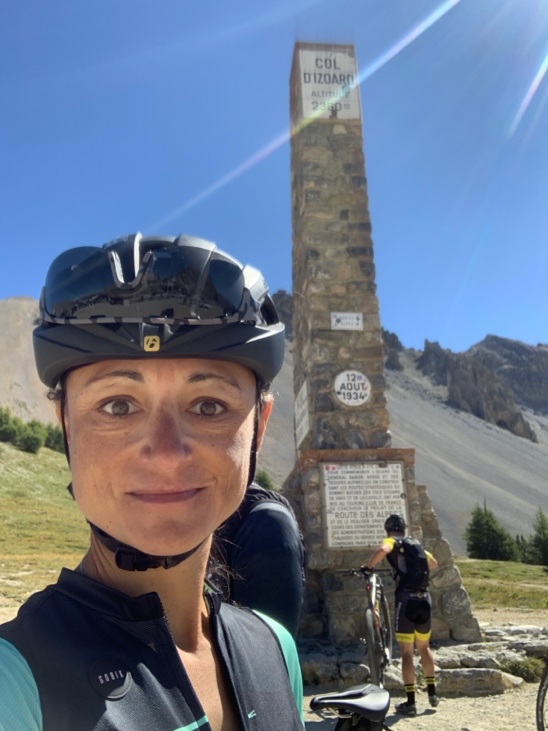
And of course we couldn’t leave the area without climbing the col d’Izoard

That climb ended our road trip.

When I look back at those 12 days, I can’t help already planning the next one.
We still have so many more regions and beautiful places to discover in France.
As the virus doesn’t seem to stop, we might have many more adventures like these in the coming months / years.

So, for once, thank you Covid for pushing us to do this road trip.

I hope I could make you travel a bit with this article. Thank you all for reading.

Valérie

Fin.

Summer has arrived.

June 12th, 2020

By @Norbi

“Summer has arrived.
Dawn bird chirping indicated I had to leave. The coffee machine was still lazily whistling, but it brought the aromas to life.
In the sky, the Moon was still fighting his own battle, but the Sun had already indicated that now it was time for him. He smeared the dawn on the sky with blood red paint.
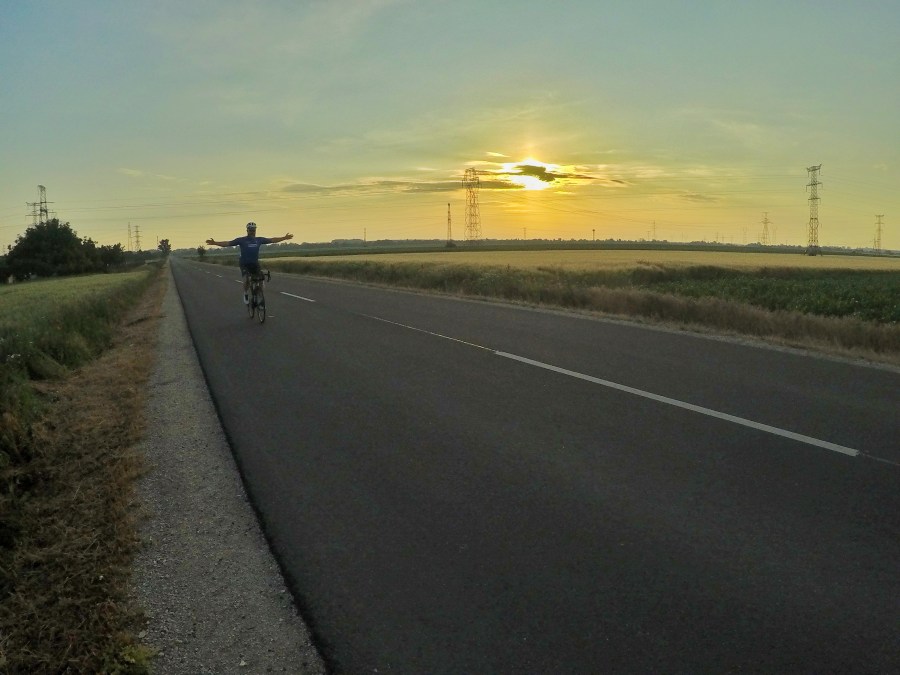
The wind caressed my face, it started to warm up. Silence everywhere, the roads silently tolerated the rolling of my wheels.
The wheat field bathed in gold, rocking softly.
These mornings, I can best immerse myself in my thoughts.
There is what …
On his way home, the city was already throbbing, with plenty of life on warm roads, like blood cells in his blood vessels.
Life. Summer.”


Ride To Fight Cancer

May 07th, 2020

By Shawn Watson

I am a Stage 4 Lymphoma survivor and only survivor of five Cancer Warriors in my family.

Shawn Watson (World’s Okayest Cyclist)

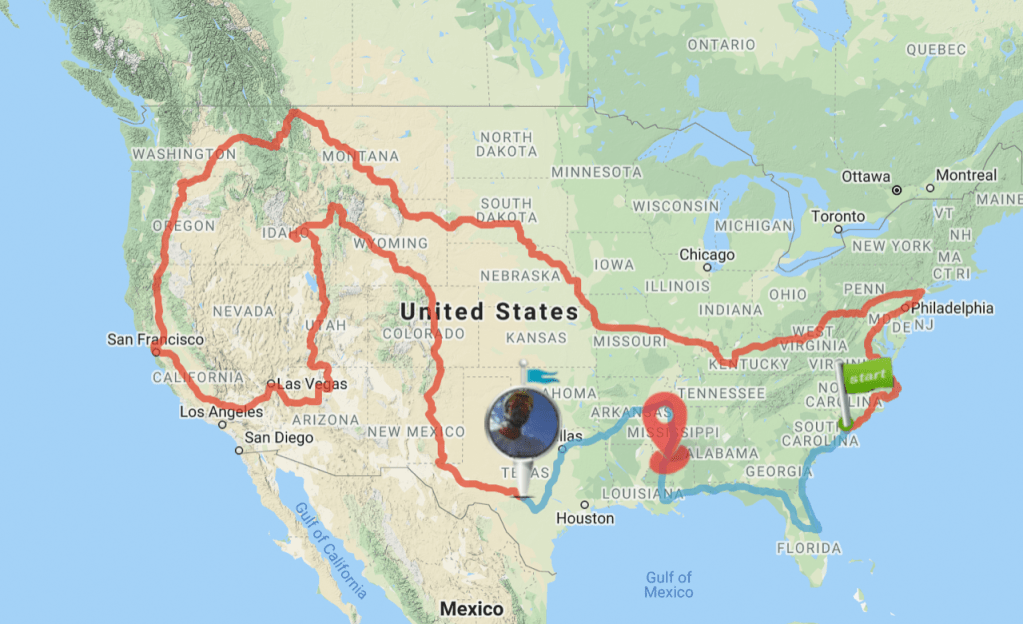
This year I am riding 10,800 miles to raise funds for The Leukemia & Lymphoma Society (all year) and 1,000 miles for The Great Cycle Challenge (Child Cancer Research Fund) in June.

This helps understand the distance to travel and what I have travel – virtually.

Please consider donating.

Here is the link for my Ride to Fight Cancer donation:
https://pages.lls.org/tnt/sc/ambbr20/Worlds_Okayest_Cyclist

Here is the link for my Child Cancer Research Fund donation:
https://greatcyclechallenge.com/Teams/TeamAlivaWarriorPrincess


Multiple Sclerosis and Neuromyelitis Optica Awareness month

February 21st, 2020

By Valsfactory

March 1st marks the beginning of the MS and NMO (also called Devic’s disease) awareness month.

Multiple sclerosis (MS) is a disease in which the body’s immune system attacks myelin, the outside layer of nerve cells.

Neuromyelitis optica (NMO) is also an immune system attack. However, in this condition, the attack is focused only on the central nervous system (CNS). It’s sometimes just called neuromyelitis or Devic’s disease.

NMO is a rare disease that damages the optic nerve, brain stem, and the spinal cord. The cause of NMO is an immune system attack on a protein in the CNS called aquaporin-4.

It leads to optic neuritis, which causes pain in the eyes and loss of vision. Other symptoms can include muscle weakness, numbness, and bladder control problems.
MS attacks the entire CNS. It can affect the optic nerve, spinal cord, and brain.

The symptoms include numbness, paralysis, vision loss, and other problems. Severity varies greatly from person to person.

MS and neuromyelitis differ in the impact that episodes have on the body.
Symptoms of MS attacks are less severe than NMO attacks, especially in the early stages of the disease. The cumulative effects of these attacks can become very serious. However, they may also have a limited impact on a person’s ability to function.

NMO attacks, on the other hand, can be severe and lead to health problems that can’t be reversed. Early and aggressive treatment is important in reducing the harm caused by NMO.

NMO doesn’t have a progressive course like MS can. The symptoms in NMO are due only to attacks

Nearly 2.3 million persons are affected by MS in the world, whereas only around 300 000 persons are diagnosed with NMO. It is therefore still categorized as a rare disease

Both MS and NMO are incurable. There’s also no way to predict who’ll develop either of the diseases.


Interesting Article from New York Times Magazine

February 13th, 2020

The New York Times Magazine.

Can the King of Ultrarunning Conquer a Race as Short as the Marathon?

By Joseph Bien-Kahn

The tone of the signage grows more frantic the farther you descend down South Kaibab Trail. At its starting point, atop the Grand Canyon’s South Rim, the trail is marked with notices reminding hikers that the path is without water and that “what goes down must go back up.” …

Read more here:


World Suicide Prevention Day (WSPD) 2019

September 10th, 2019

https://www.iasp.info/wspd2019/

Today is World Suicide Prevention Day.

Suicide prevention remains a universal challenge. Every year, suicide is among the top 20 leading causes of death globally for people of all ages. It is responsible for over 800,000 deaths, which equates to one suicide every 40 seconds.

Every life lost represents someone’s partner, child, parent, friend or colleague. For each suicide approximately 135 people suffer intense grief or are otherwise affected. This amounts to 108 million people per year who are profoundly impacted by suicidal behaviour. Suicidal behaviour includes suicide, and also encompases suicidal ideation and suicide attempts. For every suicide, 25 people make a suicide attempt and many more have serious thoughts of suicide.

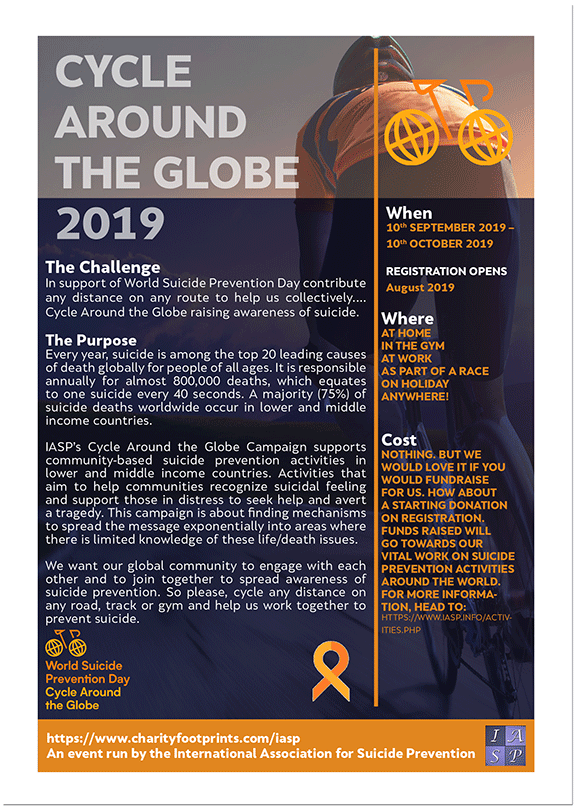
CYCLE AROUND THE GLOBE

https://www.charityfootprints.com/iasp/eventdetails

IASP’s Cycle Around the Globe Campaign supports community-based suicide prevention activities in lower and middle income countries. Activities that aim to help communities recognize suicidal feeling and support those in distress to seek help and avert a tragedy. This campaign is about finding mechanisms to spread the message exponentially into areas where there is limited knowledge of these life/death issues. 

We want our global community to engage with each other and to join together to spread awareness of suicide prevention. So please, cycle any distance on any road, track or gym and help us work together to prevent suicide.

Register now and plan your cycling for 10th September – 10th October when miles/kms will be logged here to go towards our collective goal. Last year participants from all over the world cycled 15 times around the world! Can we beat that this year?!

Please join the SSCC team to collect your miles:
https://www.charityfootprints.com/team?id=1213


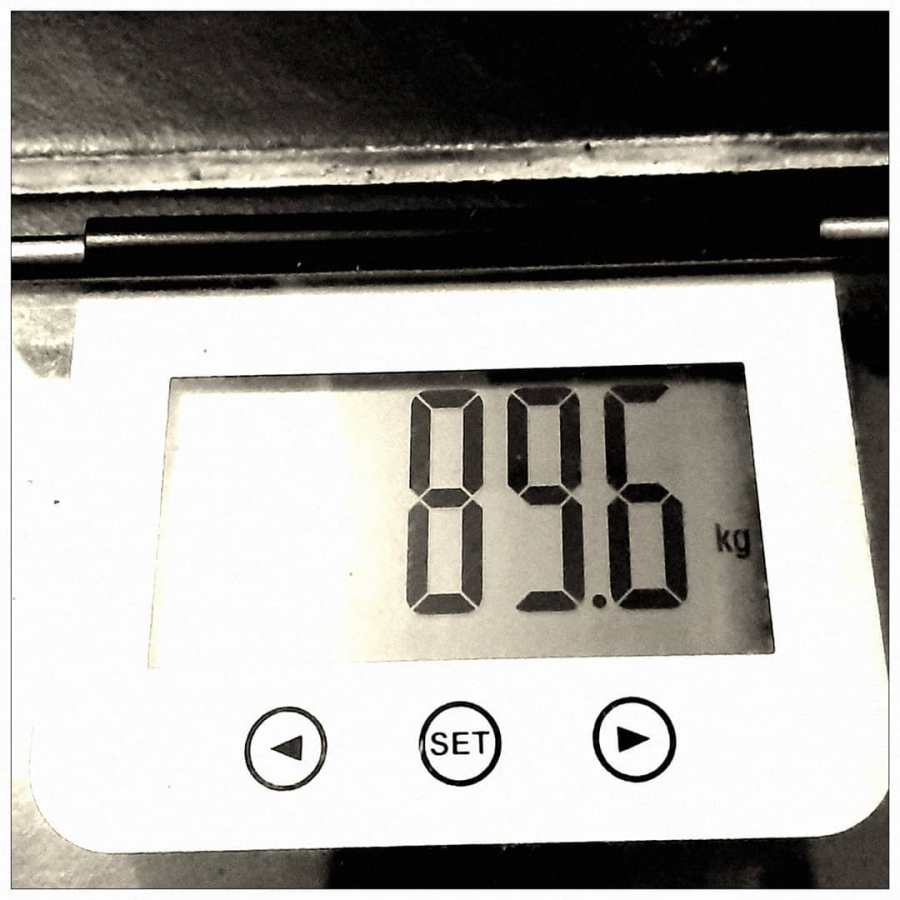
89.6 kg

Andras Beck
September 4th, 2019

Today is a milestone for me. This is the first time in 11 years that I weight less than 90kg.

Back in 2007, I was somewhere around 81kg (+/-1) when the sh*t hit the fan in the family, and I fell into depression. Sport activities almost stopped right away in November of 2007, and I switched to eat junk food.

I had some money as inheritance, so it wasn’t a real issue for 2,5 years, but my health was deteriorate fast – and I’ve put on 32kg of fat in 2 years.

It was very hard to snap out of the depression my mother’s suicide caused (the underlying cause was more than her suicide, but the last big push into depression was her actions), I’ve tried for years, and I’ve been lucky to have a wife (girlfriend back than) who is as supportive as she is. I don’t think I would made it without her ♥

When we became a family in 2013,I’ve started visiting a psychologist to dive head first into my issues and face them, and 3-4 years later I was able to think and talk about what happened, what I am, how I feel without struggling with the words.

Mind you, the depression is there, but how I handle it, and how I use the energy behind it is very different compared to few years ago. So here it is. Under 9⃣0⃣ kg means a theoretical milestone, of which means that the majority of the hard part is behind me. I’ve been fighting with myself for a while to reach that point, and I’m almost in tears doing so.

Still a long way ahead to reach my target (under 85 kg, add another long distance triathlon to the completed list, and learn how to be a real dad to my kids) but probably the hardest part is behind me, so time to focus on the long run from now on, not only about to live another day.

Thank you for the reading if you get to the end, you, and all the online community have a part of this recovery.

Andras